Coming Back to a Forum That Moved On Without You
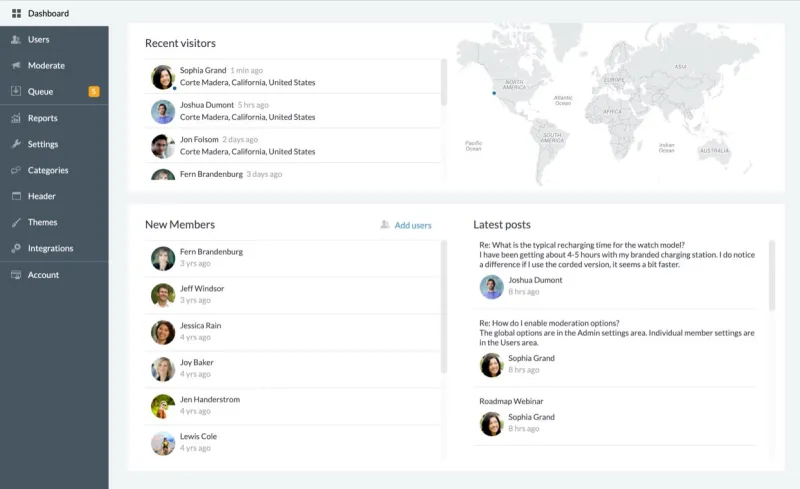
There's a specific kind of disorientation that hits when you log back into a forum you used to call home. Your username is still there. Your post count is frozen in time like a fossil. But the front page looks different, the threads you remember are buried somewhere in the archives, and half the usernames in the active members list are completely unfamiliar to you.
This is the forum comeback experience, and it's more common than most community managers realize. People step away for all kinds of reasons — life gets loud, interests shift, work piles up — and then one random Tuesday they type that old URL back into their browser. What happens next determines whether that person becomes one of your most loyal long-term members or quietly closes the tab and never comes back.
The Culture Shock Is Real
Forums develop their own living culture over time. Inside jokes accumulate. Recurring threads become traditions. Certain members take on unofficial roles that everyone just understands. Moderators come and go. Rules get revised. A community that's been active for two or three years while someone was away has essentially become a different place with the same address.
For the returning member, that gap can feel genuinely alienating. They might reference something from the old days and get crickets in response. They might break a rule that didn't exist when they were last active and feel called out unfairly. They might reach out to someone they used to chat with regularly, only to find that person hasn't posted in over a year.
This isn't anyone's fault. It's just what communities do — they evolve. But if a forum doesn't have any kind of soft landing for people coming back, that culture shock can be enough to push them right back out the door.
What Returning Members Actually Need
The good news is that what returning users need isn't complicated. It mostly comes down to three things: acknowledgment, context, and low-stakes re-entry.
Acknowledgment means someone notices they're back. A simple "Hey, welcome back!" in their first thread goes a surprisingly long way. Many forums now use automated return-welcome messages, and while those are better than nothing, a genuine human response from a moderator or established member hits differently. It signals that the community is still made of actual people who pay attention.
Context means giving them a way to catch up without feeling overwhelmed. Some forums handle this beautifully with pinned "What's Changed" threads or periodic community recap posts that summarize major shifts in rules, tone, or structure. If your forum has undergone a significant rebrand, a platform migration, or a major moderation overhaul, that information should be findable in about thirty seconds. Don't make returning members dig for it.
Low-stakes re-entry means making it easy to participate again without immediately putting themselves out there in a big way. Casual threads — daily check-ins, "what are you watching" style posts, reaction threads — give returning users a chance to get their footing before they dive back into the deeper conversations.
The Moderator's Role in the Comeback
Mods often set the tone for how a returning member is received, whether they intend to or not. If the first interaction a comeback user has with moderation is a warning for something they didn't know had changed, that's going to color their whole re-entry experience.
A practical approach some forums use is a grace-period policy for returning members — essentially a short window where first-time rule violations get a friendly redirect rather than a formal warning. This isn't about lowering standards. It's about recognizing that someone who was a good-faith contributor before probably still is, and just needs a moment to recalibrate.
Moderators can also do a lot just by being visible and approachable during a member's early comeback days. Dropping into a thread they've posted in, asking what brought them back, mentioning something new they might enjoy — these small gestures communicate that the community values their return.
When the Returning Member Expects the Old Version
Here's the trickier side of comebacks: sometimes the person coming back has strong feelings about how things used to be, and they're not shy about expressing them.
Every long-running forum has had at least one "back in my day" post from a returning veteran who's frustrated that the vibe has shifted or that a beloved moderator is gone or that the rules feel stricter than they remember. These posts can create tension, especially if newer members feel like their version of the community is being dismissed.
The key is to let those feelings exist without letting them derail things. Acknowledge the nostalgia, honor what made the forum great in its earlier days, but also gently reinforce that communities grow and change — and that's actually a sign of health, not decay. A forum that looks exactly the same as it did five years ago probably hasn't been doing much.
What you want to avoid is either dismissing the returning member's perspective entirely or letting them relitigate every community decision made in their absence. Neither extreme serves anyone well.
Why Getting This Right Actually Matters
Here's the part that often gets overlooked: returning members, when they're successfully re-integrated, tend to become some of the most committed people in a community.
They already have an emotional connection to the forum. They left for life reasons, not because they stopped caring. When they come back and find a community that's thriving and welcoming, that experience reinforces their sense of belonging in a way that's hard to manufacture from scratch. They become advocates. They recruit. They stick around.
Forums that build a reputation for handling comebacks well also benefit from word of mouth in a quiet but meaningful way. People tell their friends "I went back to that forum I used to be on and it was actually really great" — and sometimes those friends show up too.
Building a Comeback-Friendly Culture
If you want your forum to be a place where returning members land softly, it starts with the culture you build every day, not just in the moments when someone logs back in.
That means keeping your rules clear and accessible. It means celebrating community history without being exclusionary about it. It means training your moderation team to distinguish between someone who's a bad actor and someone who's just a little lost. And it means creating regular opportunities for members — new, old, and returning — to introduce themselves and reconnect.
The hive doesn't stop buzzing when someone steps away. But the best communities make sure the door is always open for when they're ready to come back.